
 See Our Latest Article on HelloNation

Premenstrual syndrome (PMS) can include bloating, breast tenderness, headaches, fatigue, irritability, anxiety, sleep changes, and pelvic or lower-back discomfort. Some residents of Sweden, NY may wonder whether chiropractic adjustments can reduce these symptoms.
Short answer: Chiropractic adjustments may help with related muscle and joint discomfort, especially lower-back or pelvic-area pain, but there is not strong evidence that spinal adjustments treat PMS itself or the hormonal changes that cause it. They should be viewed as a possible supportive option—not a replacement for medical evaluation or established PMS treatments.
What causes PMS symptoms?
PMS refers to recurring physical, emotional, and behavioral symptoms that appear before menstruation and improve after the period begins. The exact cause is not fully understood, but symptoms are linked to normal hormonal fluctuations during the menstrual cycle and individual sensitivity to those changes.
PMS may involve:
- Abdominal cramping or pelvic discomfort
- Low-back or hip aching
- Bloating and fluid retention
- Headaches
- Breast tenderness
- Fatigue or sleep disruption
- Irritability, anxiety, low mood, or difficulty concentrating
Symptoms vary widely. A person may experience mild back discomfort one month and more noticeable mood or digestive symptoms the next. Keeping a record of symptoms for at least two menstrual cycles can help show whether a predictable pattern exists.
Can an adjustment relieve PMS-related back pain?
Possibly, but the expected benefit is narrower than some claims suggest. A chiropractic adjustment may reduce stiffness or temporarily improve movement in the lower back, pelvis, or hips when those areas are contributing to discomfort. This could make it easier to walk, sleep, work, or remain active during the days before menstruation.
That is different from treating PMS as a hormonal or gynecologic condition. Research on spinal manipulation specifically for PMS is limited, and available evidence does not establish that adjustments reliably improve the full range of PMS symptoms, such as bloating, breast tenderness, depression, or menstrual-related mood changes.
Research involving manual therapy has generally focused more on dysmenorrhea—painful menstrual cramps—than on PMS. Some reviews have reported possible pain reduction, but they also describe small studies, inconsistent methods, and a need for better-quality research. ([pubmed.ncbi.nlm.nih.gov](https://pubmed.ncbi.nlm.nih.gov/28988817/?utm_source=openai))
Which symptoms might be more responsive?
Chiropractic care is more plausibly relevant when symptoms have a musculoskeletal component. Examples include:
- Aching that is clearly localized to the low back
- Stiffness after sitting for long periods
- Hip or sacroiliac-area discomfort
- Pain that changes with posture or movement
- Muscle tightness that becomes more noticeable before menstruation
For example, a person who spends much of the day seated, drives frequently, or becomes less active during cold or snowy periods may notice back stiffness more strongly around the menstrual cycle. In that situation, gentle movement, heat, stretching, and treatment directed at the musculoskeletal problem may help the back pain even if they do not alter the underlying PMS.
A clinician should avoid presenting an adjustment as a treatment for every premenstrual symptom. Mood changes, severe fatigue, heavy bleeding, significant bloating, and new pelvic pain require broader consideration.
What treatments have better-established evidence for PMS?
Treatment depends on the symptoms and their severity. The American College of Obstetricians and Gynecologists lists regular aerobic activity, relaxation strategies, and selected medications among approaches that may help. Nonsteroidal anti-inflammatory drugs such as ibuprofen can reduce pain for some people, while hormonal medications or antidepressants may be considered for particular symptoms under medical guidance. ([acog.org](https://www.acog.org/womens-health/faqs/Premenstrual-Syndrome?utm_source=openai))
Practical steps may include:
- Walking, cycling, swimming, or another tolerable aerobic activity on a regular basis
- Using a heating pad for short periods on the lower abdomen or back
- Maintaining a consistent sleep schedule
- Limiting alcohol if it worsens mood or sleep
- Eating regular meals and observing whether caffeine, salt, or certain foods affect symptoms
- Using a symptom and menstrual-cycle diary
- Discussing persistent or severe symptoms with a primary-care clinician or gynecologic clinician
Supplements are not automatically harmless. Calcium or magnesium may help some people, but dosage, medication interactions, kidney problems, pregnancy, and other health conditions should be considered before starting them. ACOG advises discussing PMS products and supplements with a medical clinician. ([acog.org](https://www.acog.org/womens-health/faqs/Premenstrual-Syndrome?utm_source=openai))
Is chiropractic care safe during PMS?
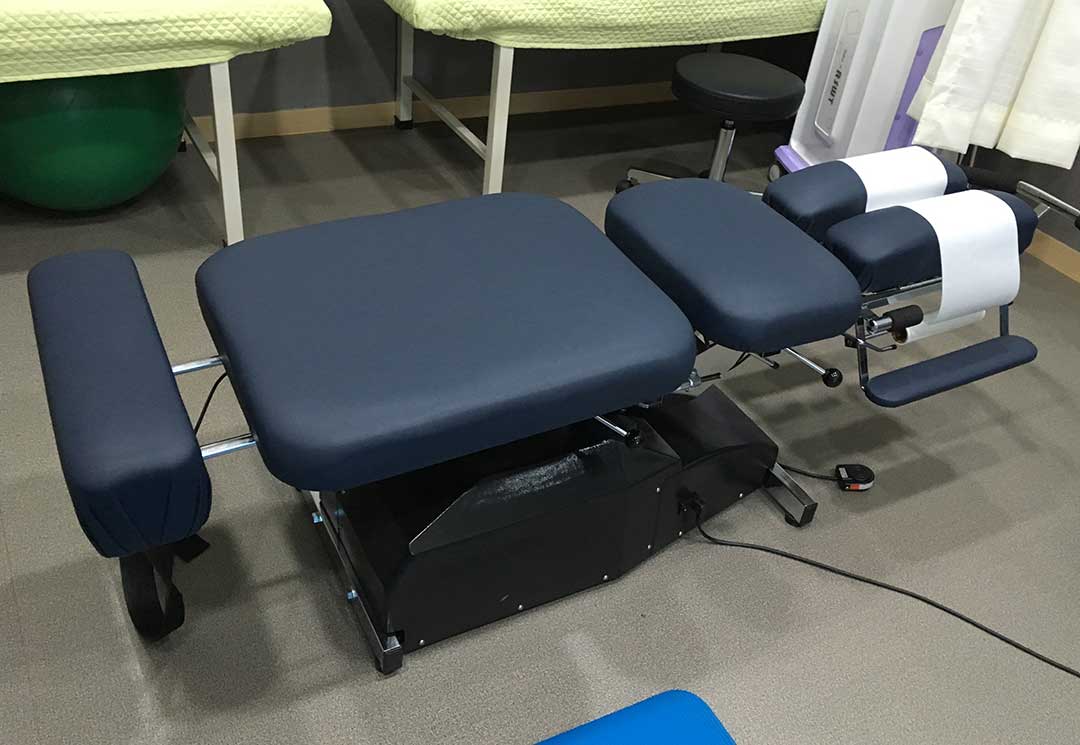
For generally healthy adults, spinal manipulation commonly causes temporary effects such as local soreness, stiffness, increased pain, or headache. These effects often resolve within a day, but serious complications have been reported rarely. A careful health history is therefore important, particularly when there are underlying health conditions or medications that may affect safety. ([nccih.nih.gov](https://www.nccih.nih.gov/health/spinal-manipulation-what-you-need-to-know?6df6a1c6_page=3&85de4c3e_page=2&utm_source=openai))
Before any adjustment, disclose:
- Pregnancy or possible pregnancy
- Osteoporosis or a history of fracture
- Bleeding disorders or use of blood-thinning medication
- Recent injury
- Numbness, weakness, or changes in bowel or bladder control
- Cancer, infection, or unexplained fever
- Severe or unusual headaches
- Recent surgery
A person should also be able to ask what area will be treated, what type of technique is proposed, what benefits are realistic, and what alternatives exist. Gentle mobilization, exercise guidance, or soft-tissue approaches may be considered instead of a high-velocity adjustment in some situations.
When should PMS symptoms be medically evaluated?
New, severe, or progressively worsening symptoms should not be assumed to be ordinary PMS. Medical evaluation is especially appropriate for:
- Pelvic pain that is severe, persistent, or present outside the premenstrual period
- Very heavy bleeding, bleeding between periods, or bleeding after sex
- Fainting, chest pain, shortness of breath, or marked weakness
- Fever, vomiting, or sudden severe abdominal pain
- Pain that begins after pregnancy, childbirth, or insertion of an intrauterine device
- Symptoms that interfere substantially with work, school, relationships, or daily activities
- Severe depression, hopelessness, or thoughts of self-harm
Severe mood symptoms that repeatedly occur before menstruation may indicate premenstrual dysphoric disorder, or PMDD, rather than typical PMS. This condition deserves specific medical assessment and treatment. ([acog.org](https://www.acog.org/womens-health/faqs/Premenstrual-Syndrome?utm_source=openai))
A balanced way to think about adjustments
For residents in Sweden, NY, chiropractic treatment may be reasonable to discuss when premenstrual discomfort includes recognizable back, hip, or joint pain. The most accurate expectation is that treatment might support movement and reduce a musculoskeletal pain component in some individuals.
There is not enough evidence to say that adjustments correct hormonal imbalance, prevent PMS, or reliably treat emotional, digestive, or breast-related symptoms. A symptom diary, regular activity, appropriate self-care, and medical evaluation for persistent or severe symptoms provide a more complete approach than relying on spinal adjustments alone.
