
 See Our Latest Article on HelloNation
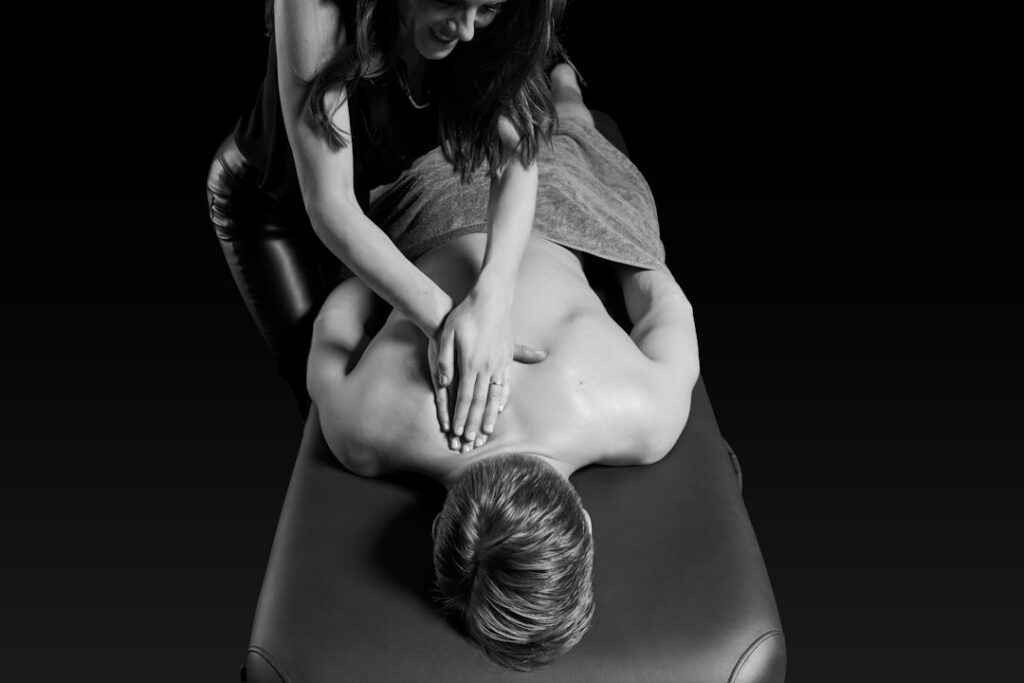
What is the main difference between chiropractic care and massage therapy?
Chiropractic care and massage therapy can both be used to address muscle tension, stiffness, and movement-related discomfort, but they focus on different parts of the problem. Chiropractic care generally emphasizes the relationship between joints, the spine, the nervous system, and overall movement. Massage therapy focuses primarily on muscles, connective tissue, circulation, and relaxation.
The two approaches may overlap, but they are not interchangeable. A person with restricted spinal movement may seek chiropractic evaluation, while someone with tight shoulders after repetitive work may benefit from massage-focused care. In some situations, both approaches may be considered, depending on the cause of the symptoms and the person’s health history.
How does chiropractic care work?
Chiropractic care typically begins with a health history and movement assessment. The practitioner may evaluate posture, joint range of motion, muscle balance, and areas of tenderness. Treatment can include manual adjustments, mobilization, stretching, exercise instruction, and advice about movement habits.
A chiropractic adjustment is a controlled manual technique intended to influence the movement of a joint. It is most often associated with the spine, although other joints may also be assessed. The purpose is not to “put a bone back in place,” as is sometimes described informally. Instead, the goal may be to improve joint motion, reduce mechanical irritation, and support more comfortable movement.
Chiropractic care may be considered for concerns such as:
- Back or neck discomfort related to movement
- Joint stiffness
- Limited range of motion
- Certain types of mechanical headaches
- Muscle and joint problems connected with work, exercise, or daily activity
A thorough evaluation matters because not every source of pain is appropriate for manual treatment. Symptoms caused by infection, fracture, serious nerve compression, inflammatory disease, or other medical conditions may require medical evaluation instead.
How does massage therapy work?
Massage therapy uses hands-on techniques applied to muscles and soft tissues. Depending on the style and purpose of the session, techniques may include gliding strokes, kneading, sustained pressure, stretching, or focused work on areas of tension.
Massage is often used to support relaxation and reduce the sensation of muscle tightness. It may also help people become more aware of how stress, posture, repetitive activity, or physical exertion affects their bodies. A massage therapist generally does not diagnose spinal or joint conditions in the same way a healthcare provider does, and massage is not designed to replace medical assessment when a serious condition is possible.
Massage therapy may be useful for:
- General muscle tension
- Stress-related tightness
- Soreness after physical activity
- Shoulder, neck, or back muscle discomfort
- Temporary restrictions caused by soft-tissue tightness
- Relaxation and body awareness
The pressure should be adjusted to the individual. Deep pressure is not automatically more effective, and excessive force can increase soreness or irritate tissues.
Which option is better for back or neck discomfort?
The better option depends on what is causing the discomfort. If the primary issue appears to involve restricted joint movement, movement coordination, or a mechanical problem involving the spine, chiropractic assessment may be appropriate. If the main issue is muscular tightness, stress, or soreness after activity, massage may be a reasonable choice.
Many symptoms involve both joints and muscles. For example, prolonged sitting at a computer or driving can contribute to stiff spinal joints as well as shortened, fatigued muscles. Household tasks, snow removal, yard work, and seasonal changes in activity can create a similar combination of problems in local residents.
Neither approach should be selected solely because a symptom is located in the neck or back. The location of pain does not always reveal its cause. Pain that travels into an arm or leg, causes numbness or weakness, follows an injury, or worsens rapidly deserves careful evaluation.
Can chiropractic care and massage therapy be used together?
They can sometimes be used as complementary approaches, but combining treatments is not automatically necessary. Chiropractic care may address joint movement and functional mechanics, while massage may help reduce soft-tissue tension surrounding the area.
If both are used, the treatment plan should be based on the person’s symptoms, tolerance, and response. Receiving multiple intensive treatments close together can make it difficult to determine which approach helped or whether the body is becoming irritated. Gradual changes, clear communication, and attention to symptom patterns are more useful than assuming that more treatment is always better.
Exercise, sleep, work habits, and daily movement also influence recovery. Hands-on care may provide short-term relief, but long-term improvement often depends on addressing the activities or physical demands that contributed to the problem.
What are the safety differences?
Both chiropractic care and massage therapy are generally considered low-risk for many healthy adults when performed appropriately, but neither is risk-free. Temporary soreness, tenderness, bruising, fatigue, or a short-lived increase in symptoms can occur.
Certain situations require extra caution. People with osteoporosis, bleeding disorders, blood-clotting concerns, recent surgery, cancer, significant arthritis, pregnancy-related concerns, or serious medical conditions should discuss the safety of hands-on treatment with an appropriate healthcare provider.
Urgent medical evaluation is more appropriate than routine massage or chiropractic care when symptoms include:

- New or worsening weakness
- Loss of bladder or bowel control
- Numbness in the groin or inner thighs
- Severe pain after a fall or collision
- Fever with significant back or neck pain
- Unexplained weight loss
- Chest pain, shortness of breath, or fainting
- A severe headache unlike previous headaches
These symptoms do not establish a diagnosis, but they can signal a need for timely medical assessment.
How should someone choose between them?
Start by identifying the main goal. Someone seeking relaxation and relief from generalized muscle tightness may lean toward massage therapy. Someone concerned about joint stiffness, movement limitations, or recurring mechanical pain may seek a chiropractic evaluation.
Useful questions include:
- Is the discomfort mainly muscular, joint-related, or unclear?
- Did it begin after unusual activity, an injury, or gradually over time?
- Are there numbness, weakness, balance changes, or other nervous-system symptoms?
- Is the goal short-term relaxation, improved movement, or help understanding a recurring problem?
- Has the condition been evaluated before?
A practitioner should ask about health history, explain the proposed treatment, and respect informed consent. Treatment should not be presented as a guaranteed cure or as a substitute for necessary medical care.
What should residents keep in mind during seasonal activities?
In Sweden, winter conditions can change daily routines and physical demands. Shoveling, carrying salt or equipment, walking on uneven surfaces, and spending more time indoors can contribute to stiffness and muscle fatigue. In warmer months, gardening, home maintenance, recreational activity, and longer periods of physical work may create different stresses.
Gradually increasing activity, taking short breaks, using safe lifting techniques, and avoiding sudden increases in workload can reduce strain. If discomfort persists, repeatedly returns, or interferes with normal activities, an evaluation can help clarify whether the problem is primarily muscular, joint-related, or something that needs a different type of care.
The practical distinction is simple: massage therapy primarily works with soft tissues, while chiropractic care primarily evaluates and treats movement involving joints and the musculoskeletal system. Understanding that difference helps people choose care based on their symptoms rather than on a broad promise that one approach is universally better.
